
 Spring Cloud
# 简介
SpringCloud是目前国内使用最广泛的微服务框架。官网地址:https://spring.io/projects/spring-cloud (opens new window)。
微服务架构下存在的一些问题:
- 服务治理问题(解决服务注册和发现) Eureka、Nacos(Alibaba的)
- 远程服务调用问题(服务通信) OpenFeign、Dubbo
- 服务降级处理 Hystrix、Sentinal
- 配置文件管理 SpringCloudConfig、Nacos
- 统一网关路由 SpringCloudGateway、zuul
- 服务链路监控 Zipkin、Sleuth
SpringCloud集成了各种微服务功能组件,并基于SpringBoot实现了这些组件的自动装配,从而提供了良好的开箱即用体验。其中常见的组件包括: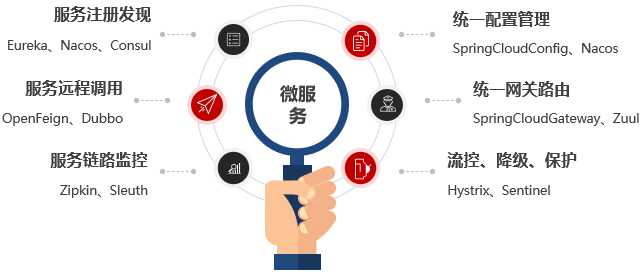
另外,SpringCloud底层是依赖于SpringBoot的,并且有版本的兼容关系,如下: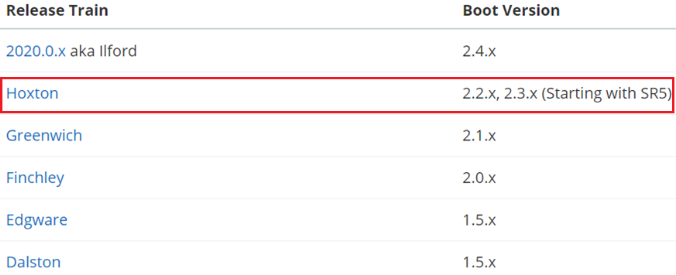
# 服务拆分
这里我总结了微服务拆分时的几个原则:
- 不同微服务,不要重复开发相同业务
- 微服务数据独立,不要访问其它微服务的数据库
- 微服务可以将自己的业务暴露为接口,供其它微服务调用
服务拆分示例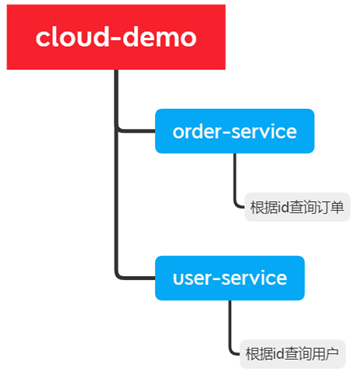
cloud-demo:父工程,管理依赖
- order-service:订单微服务,负责订单相关业务
- user-service:用户微服务,负责用户相关业务
注:这两个子模块的名字中间是有短横的,但后面两个微服务在yml中的实例名字是:orderservice和userservice,中间没有短横。
案例需求:
- 订单微服务和用户微服务都必须有各自的数据库,相互独立
- 订单服务和用户服务都对外暴露Restful的接口
- 订单服务如果需要查询用户信息,只能调用用户服务的Restful接口,不能查询用户数据库
修改order-service中的根据id查询订单业务,要求在查询订单的同时,根据订单中包含的userId查询出用户信息,一起返回。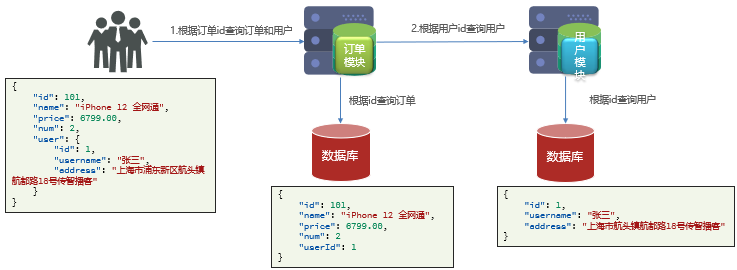
因此,我们需要在order-service中向user-service发起一个http的请求,调用http://localhost:8081/user/{userId}这个接口。
大概的步骤是这样的:
- 注册一个RestTemplate的实例到Spring容器
- 修改order-service服务中的OrderService类中的queryOrderById方法,根据Order对象中的userId查询User
- 将查询的User填充到Order对象,一起返回
注册RestTemplate
package cn.itcast.order;

import org.mybatis.spring.annotation.MapperScan;
import org.springframework.boot.SpringApplication;
import org.springframework.boot.autoconfigure.SpringBootApplication;
import org.springframework.context.annotation.Bean;
import org.springframework.web.client.RestTemplate;

@MapperScan("cn.itcast.order.mapper")
@SpringBootApplication
public class OrderApplication {

    public static void main(String[] args) {
        SpringApplication.run(OrderApplication.class, args);
    }

    @Bean
    public RestTemplate restTemplate() {
        return new RestTemplate();
    }
}
1
2
3
4
5
6
7
8
9
10
11
12
13
14
15
16
17
18
19
20
21
2
3
4
5
6
7
8
9
10
11
12
13
14
15
16
17
18
19
20
21
修改service方法
@Service
public class OrderService {

    @Autowired
    private RestTemplate restTemplate;

    public Order queryOrderById(Long orderId) {
        // 1.查询订单
        Order order = orderMapper.findById(orderId);
        // TODO 2.查询用户
        String url = "http://localhost:8081/user/" +  order.getUserId();
        User user = restTemplate.getForObject(url, User.class);
        // 3.封装user信息
        order.setUser(user);
        // 4.返回
        return order;
    }
}
1
2
3
4
5
6
7
8
9
10
11
12
13
14
15
16
17
18
2
3
4
5
6
7
8
9
10
11
12
13
14
15
16
17
18
上次更新: 2023/12/29 11:32:56